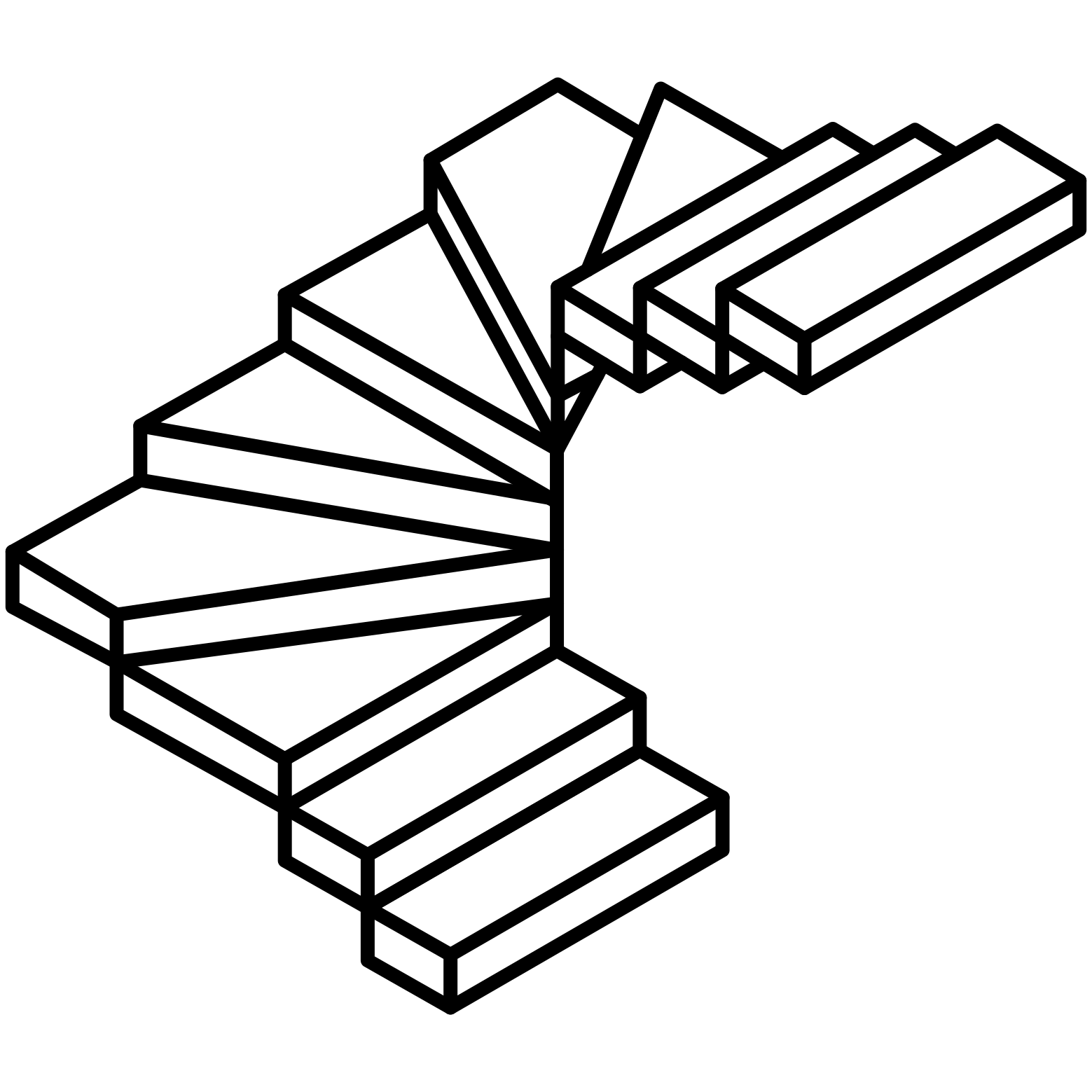
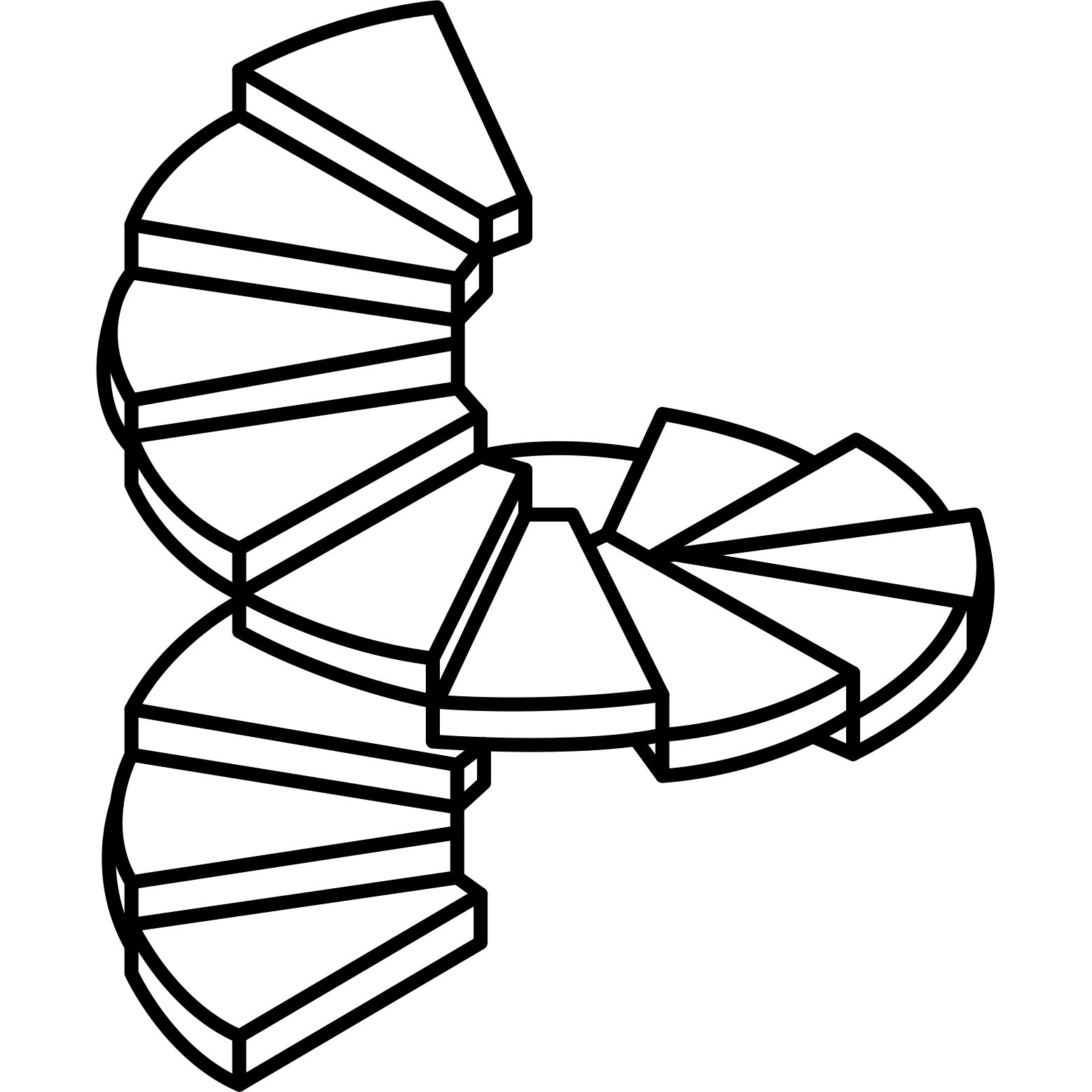
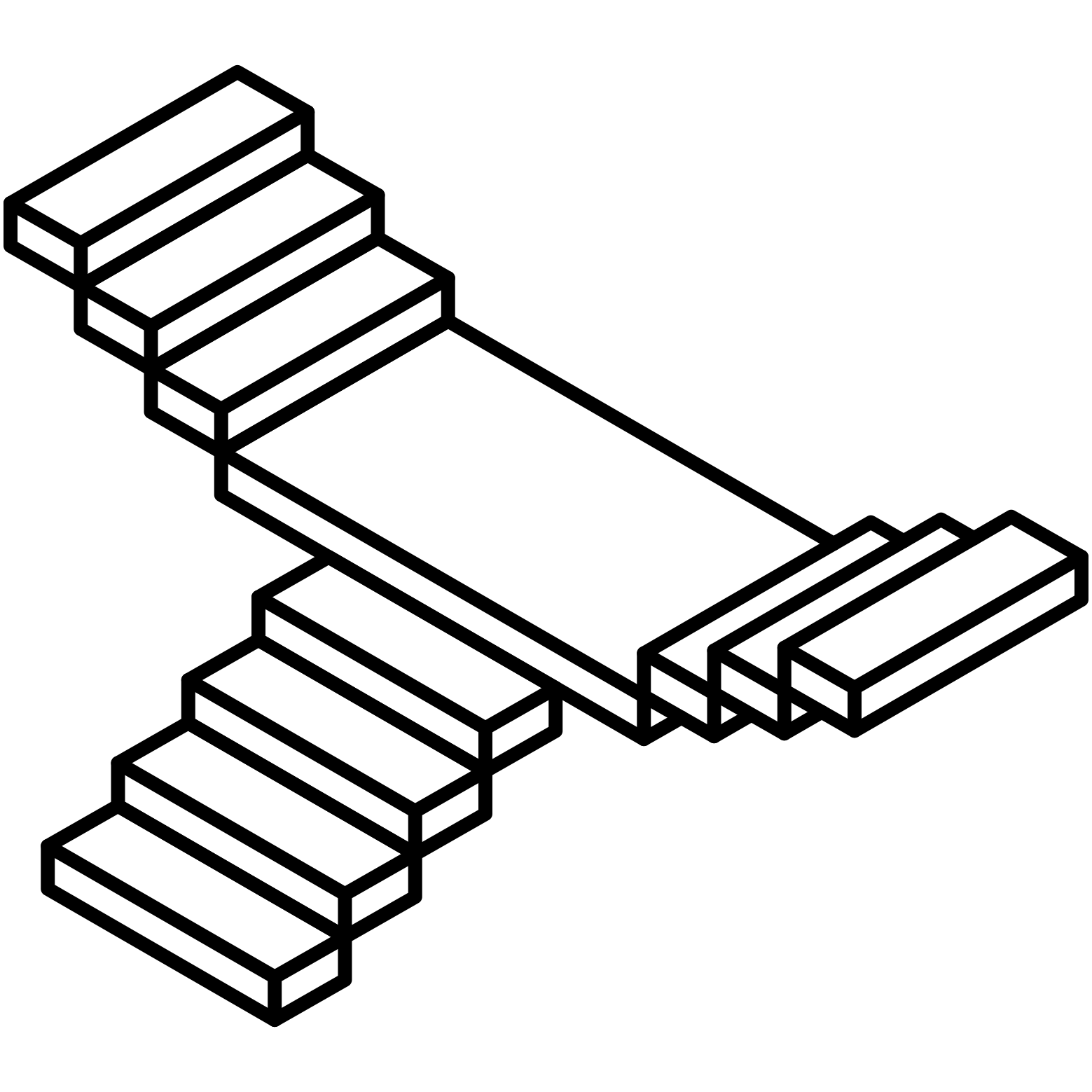
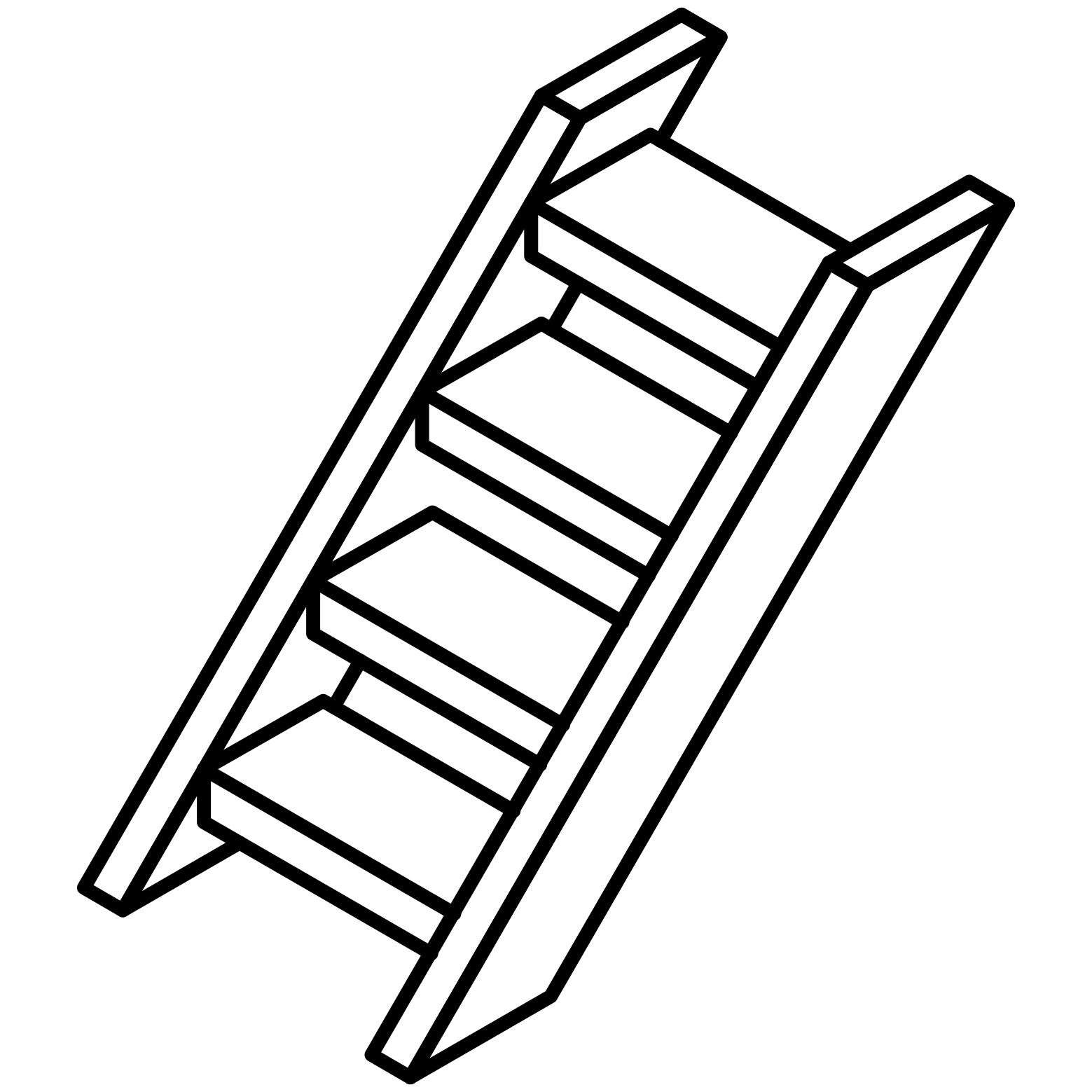
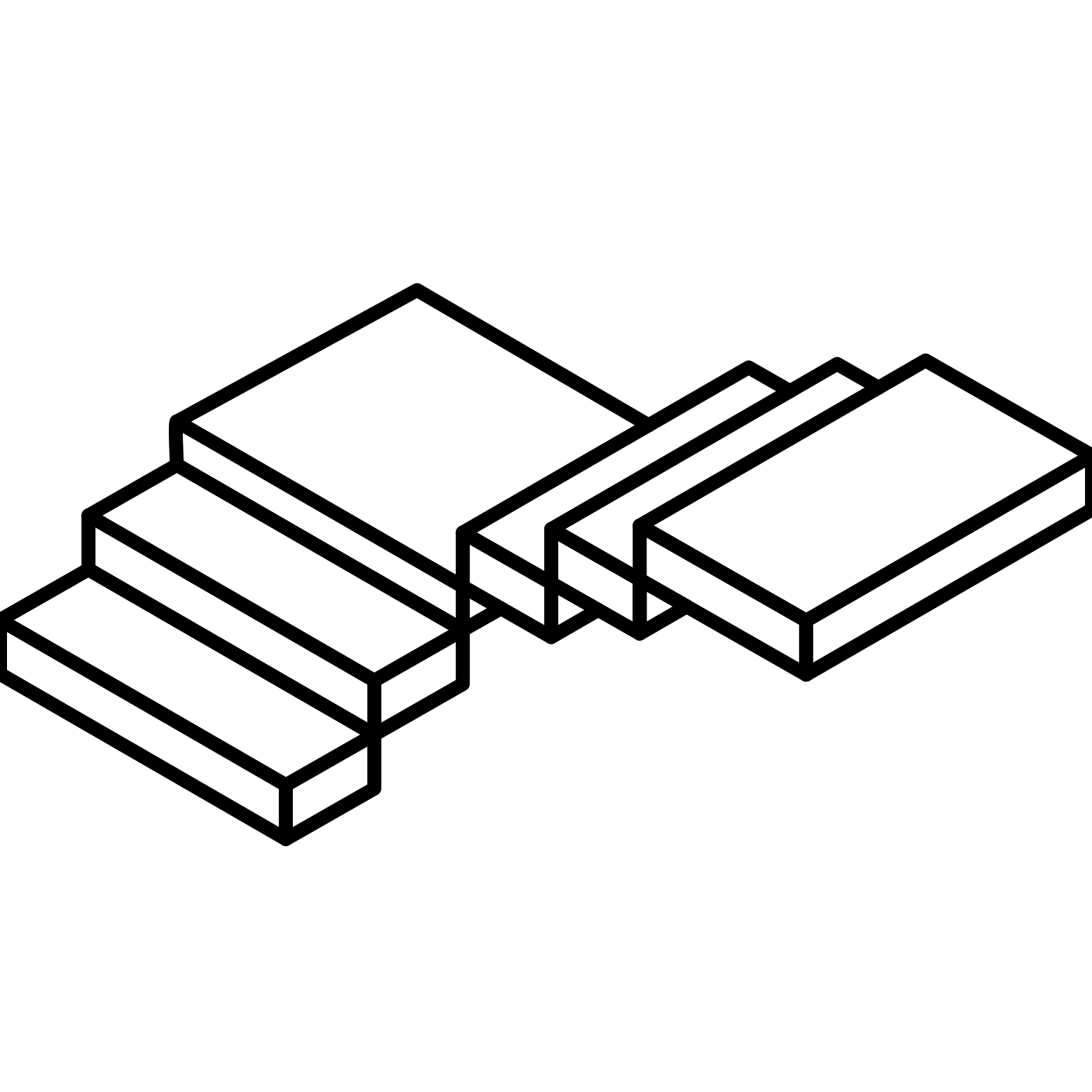
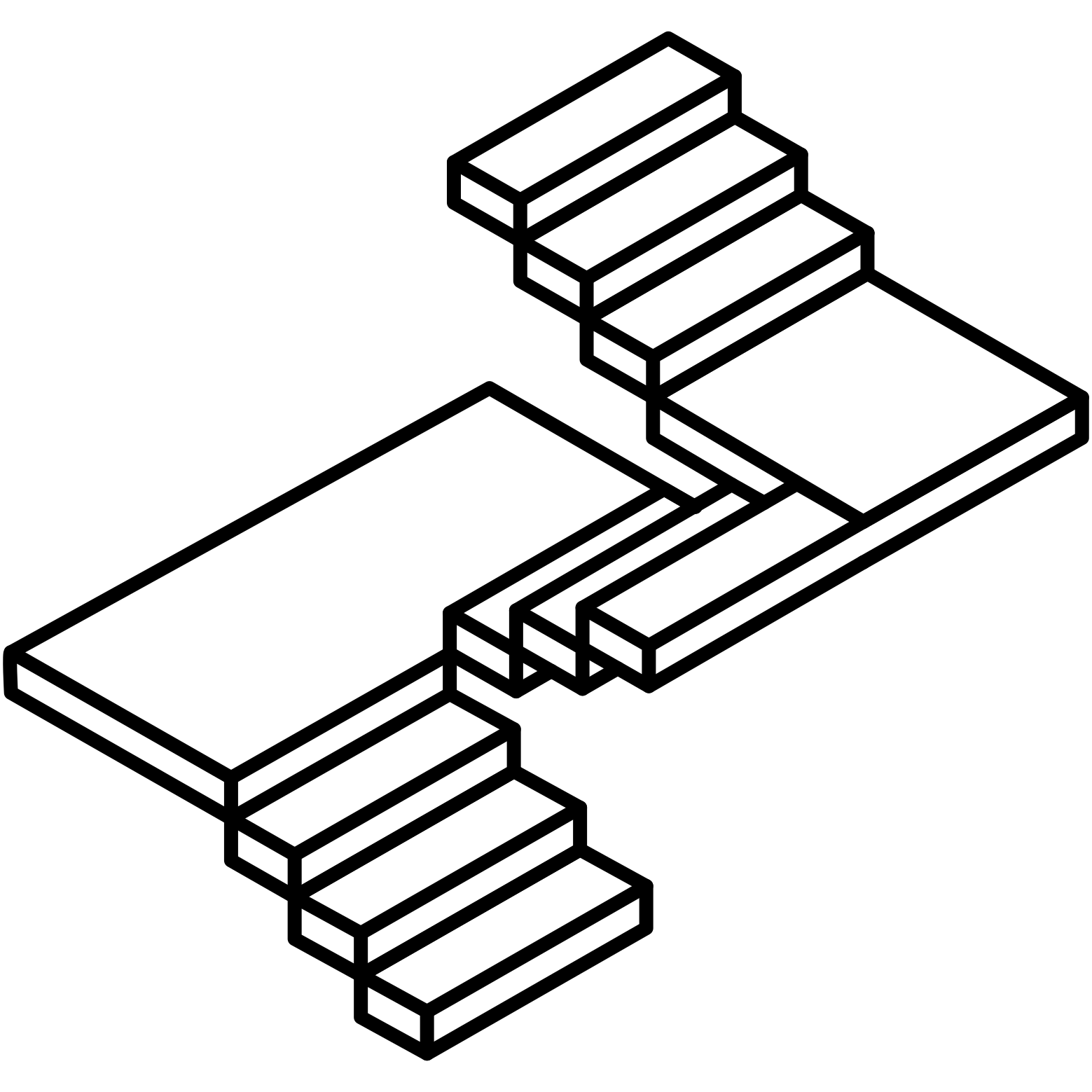
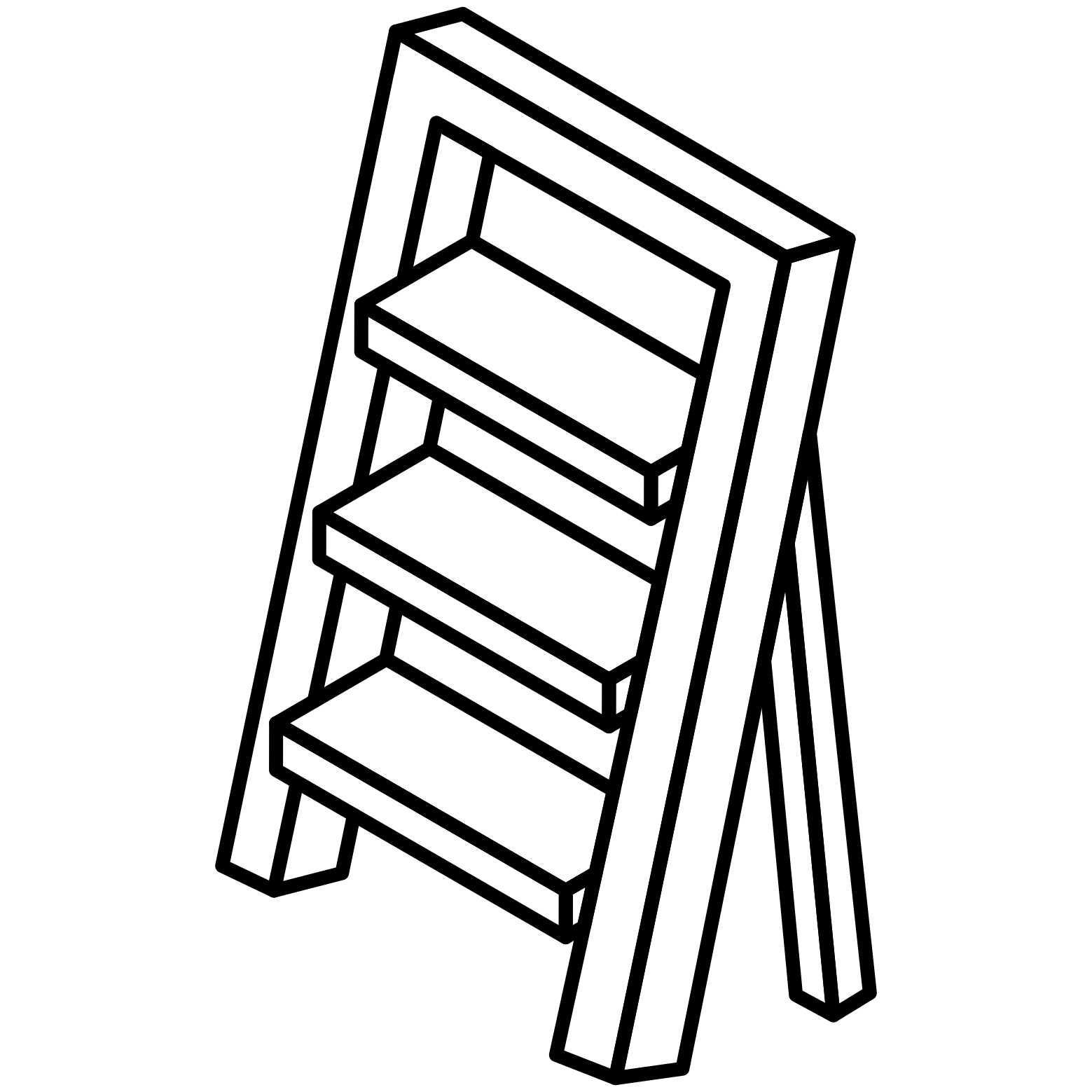
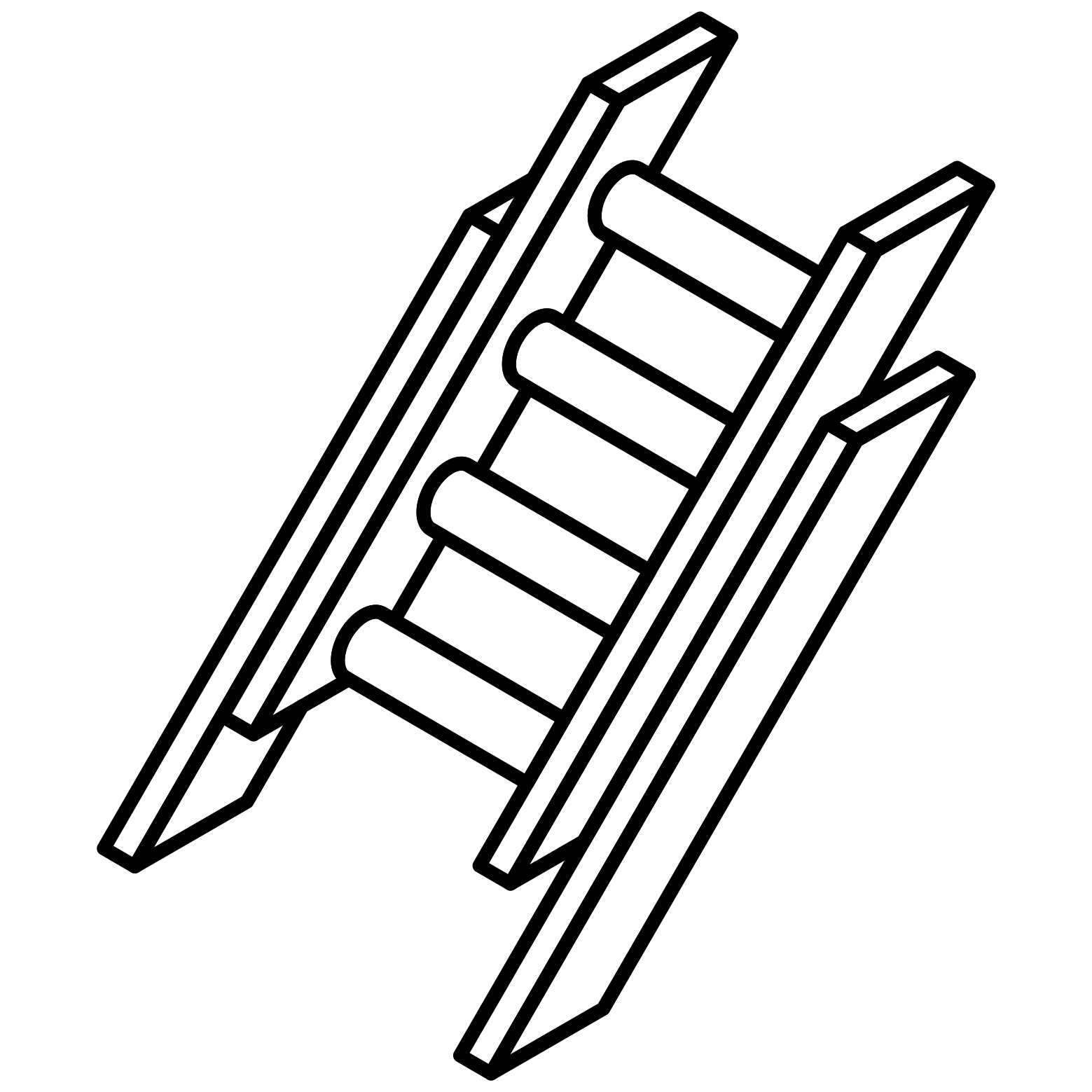
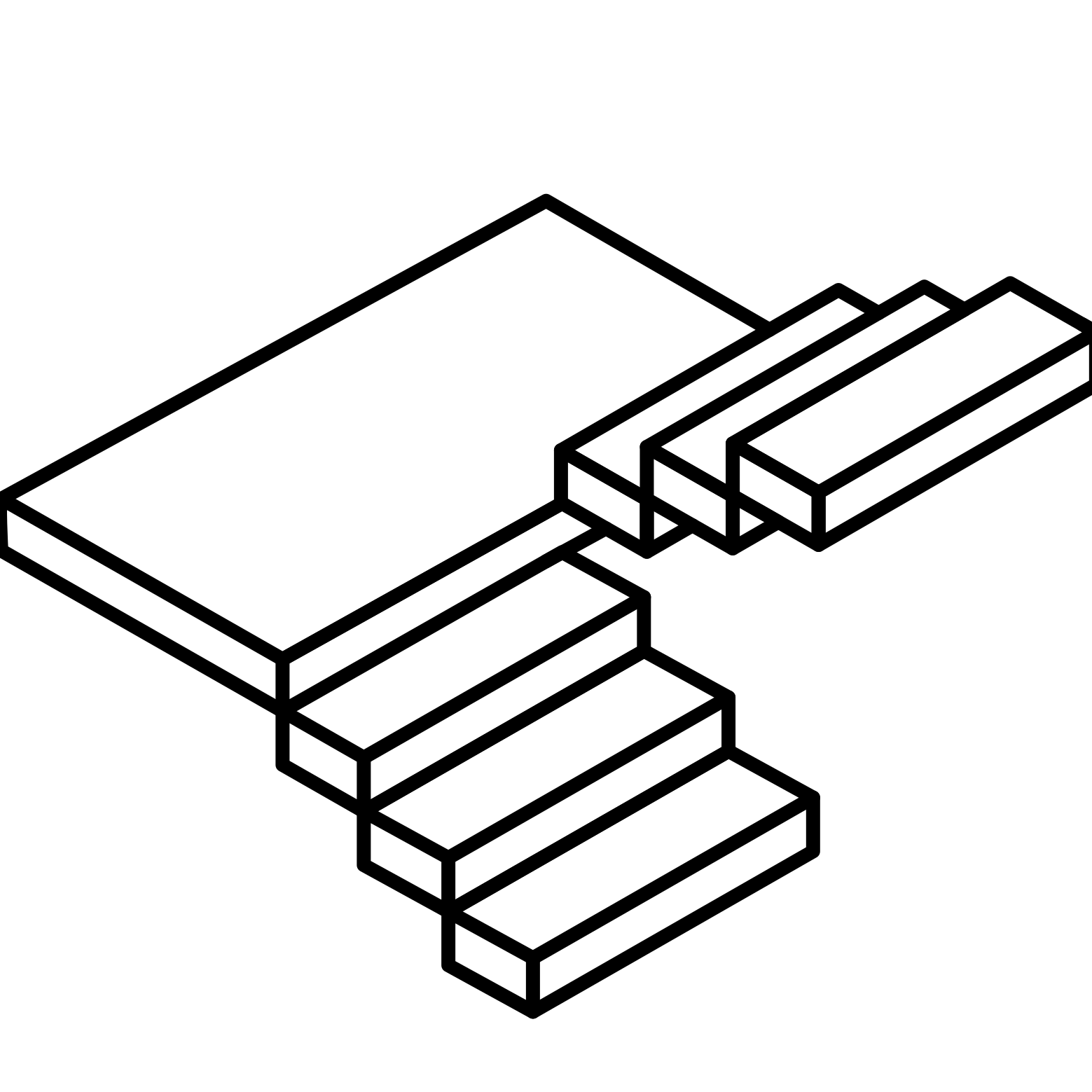
3-seat couch · second-floor L-shape stairs
82×38×34 in. 40″ stair width with 8′ ceiling clearance accommodates tilt to clear the upper landing.
Check whether a couch, sofa, mattress, treadmill, piano, or other furniture can get up narrow stairs, around a landing, to a second floor, or down basement stairs.
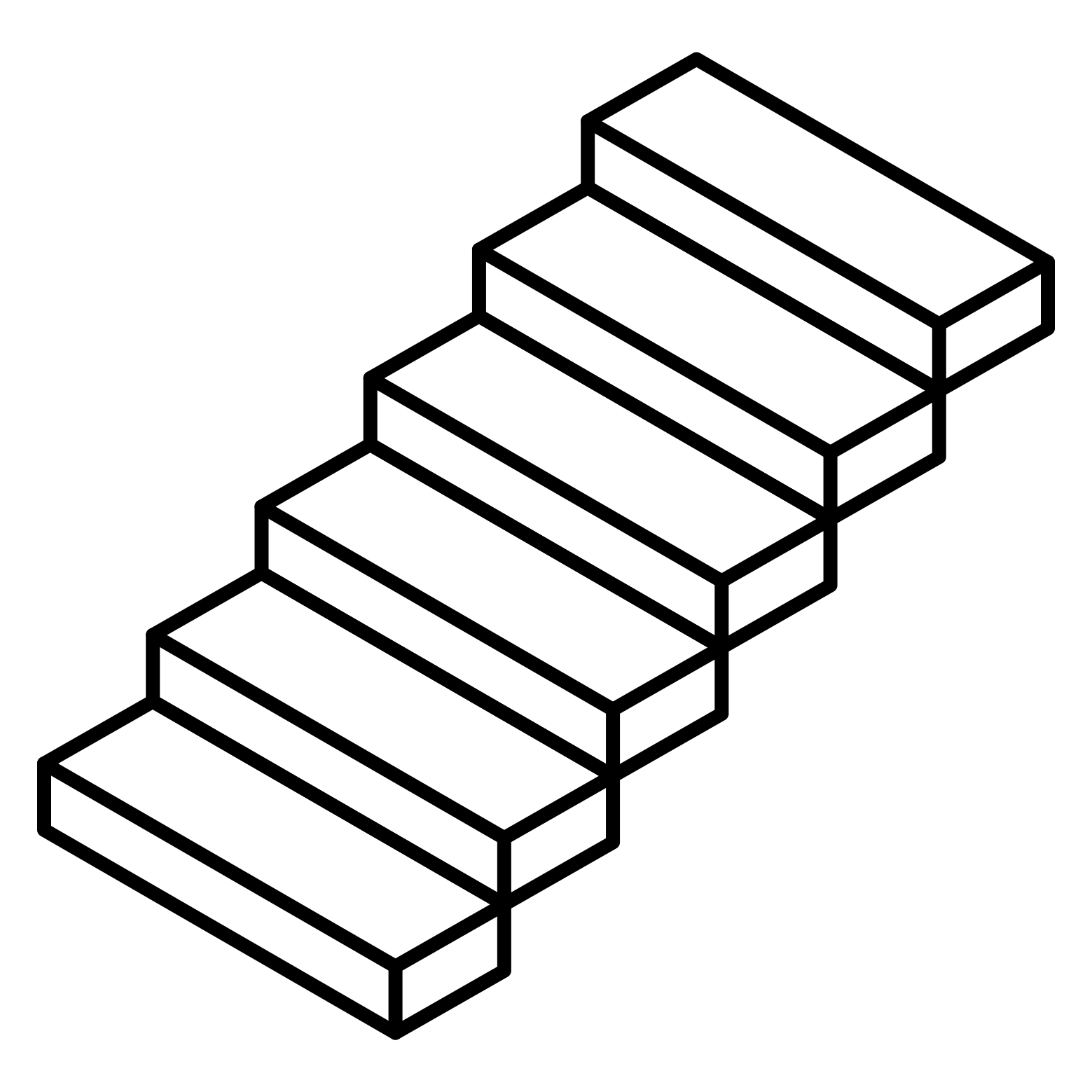
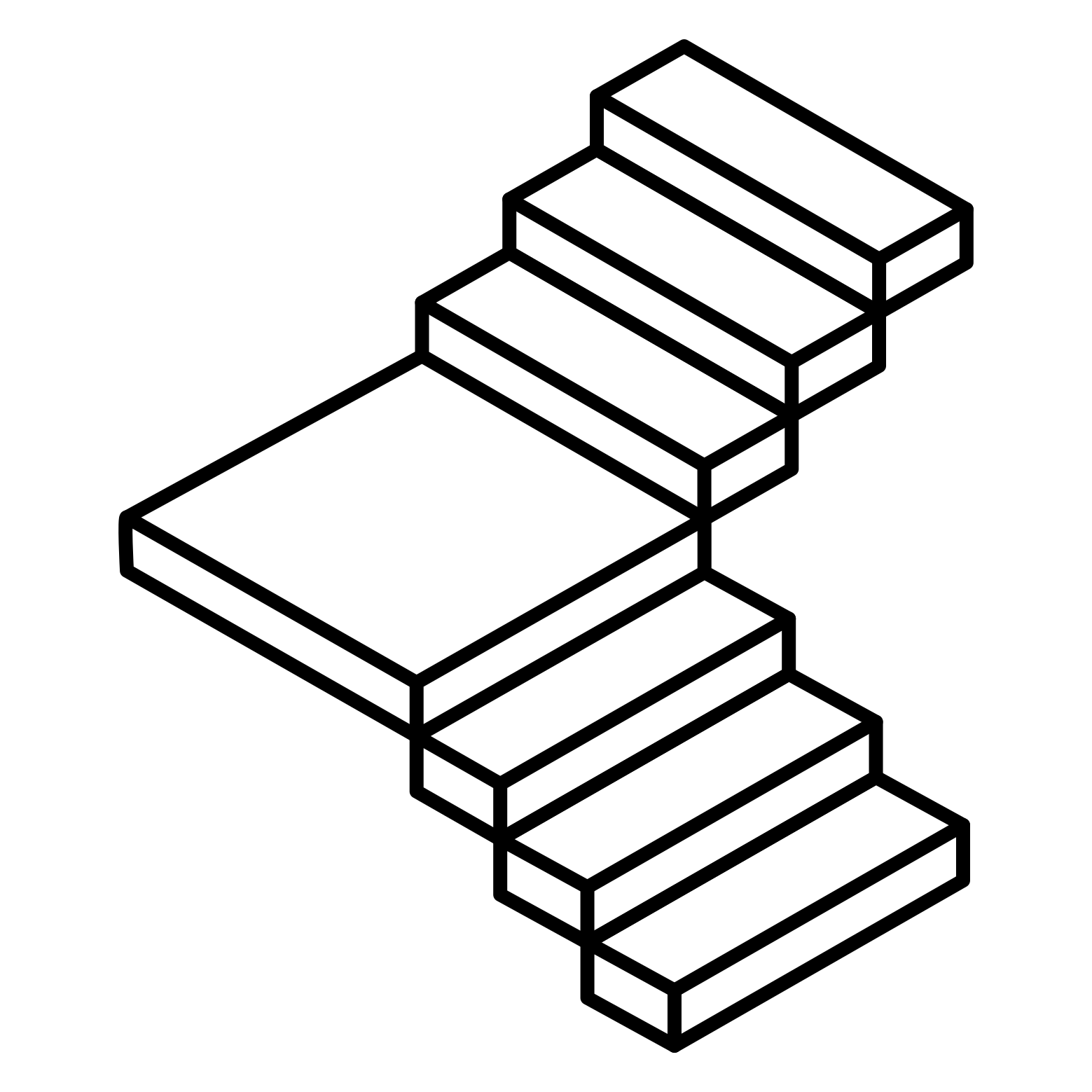
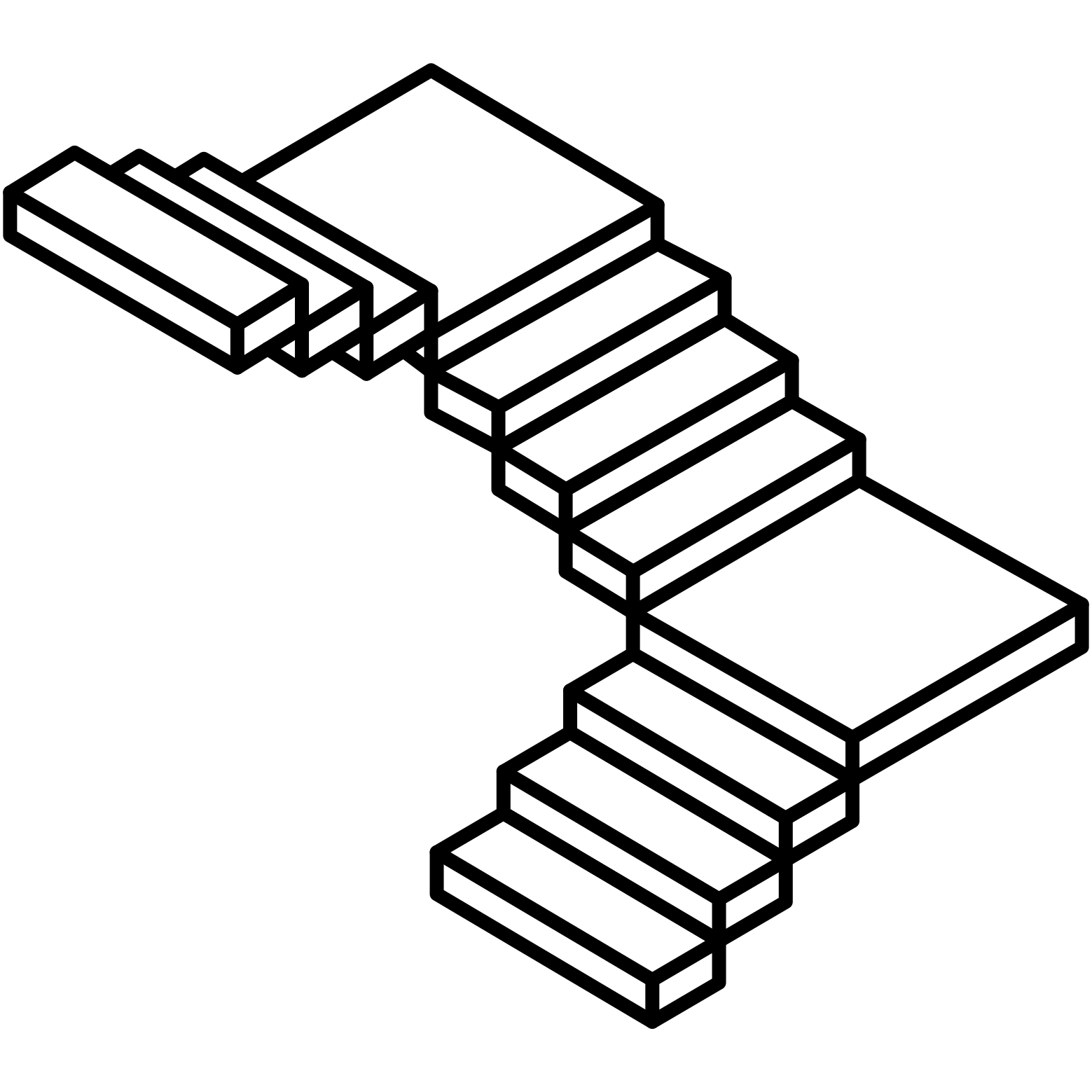
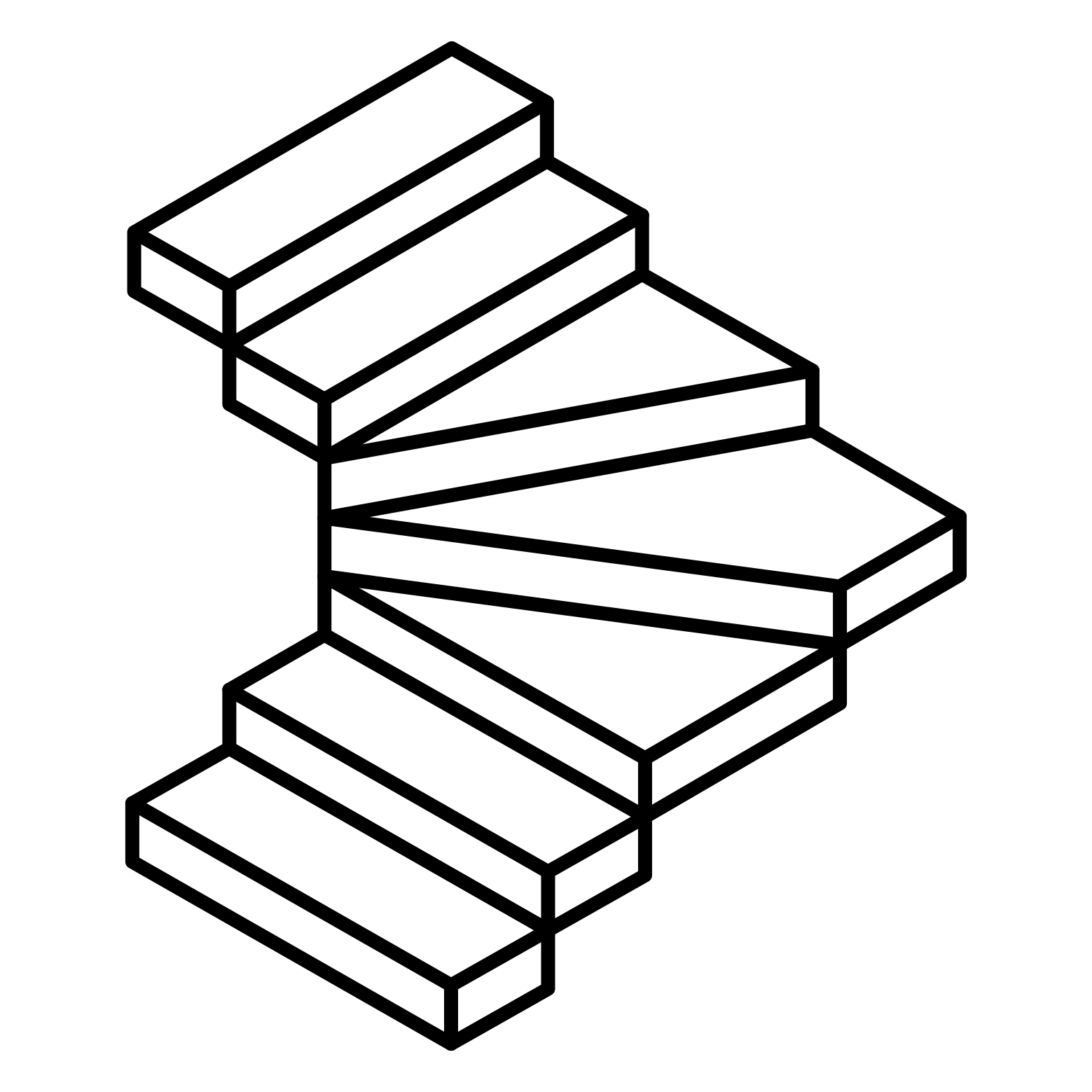
This calculator determines if furniture will fit up or down your staircase. It covers searches like “will a couch fit up stairs,” “can I get a sofa up narrow stairs,” and “will a mattress fit up stairs” by simulating straight stairs, L-shaped stairs, U-shaped stairs, spiral stairs, basement stairs, and second-floor moves — accounting for stair width, ceiling height, landing depth, and turning radius at each step.
Example fit outcomes
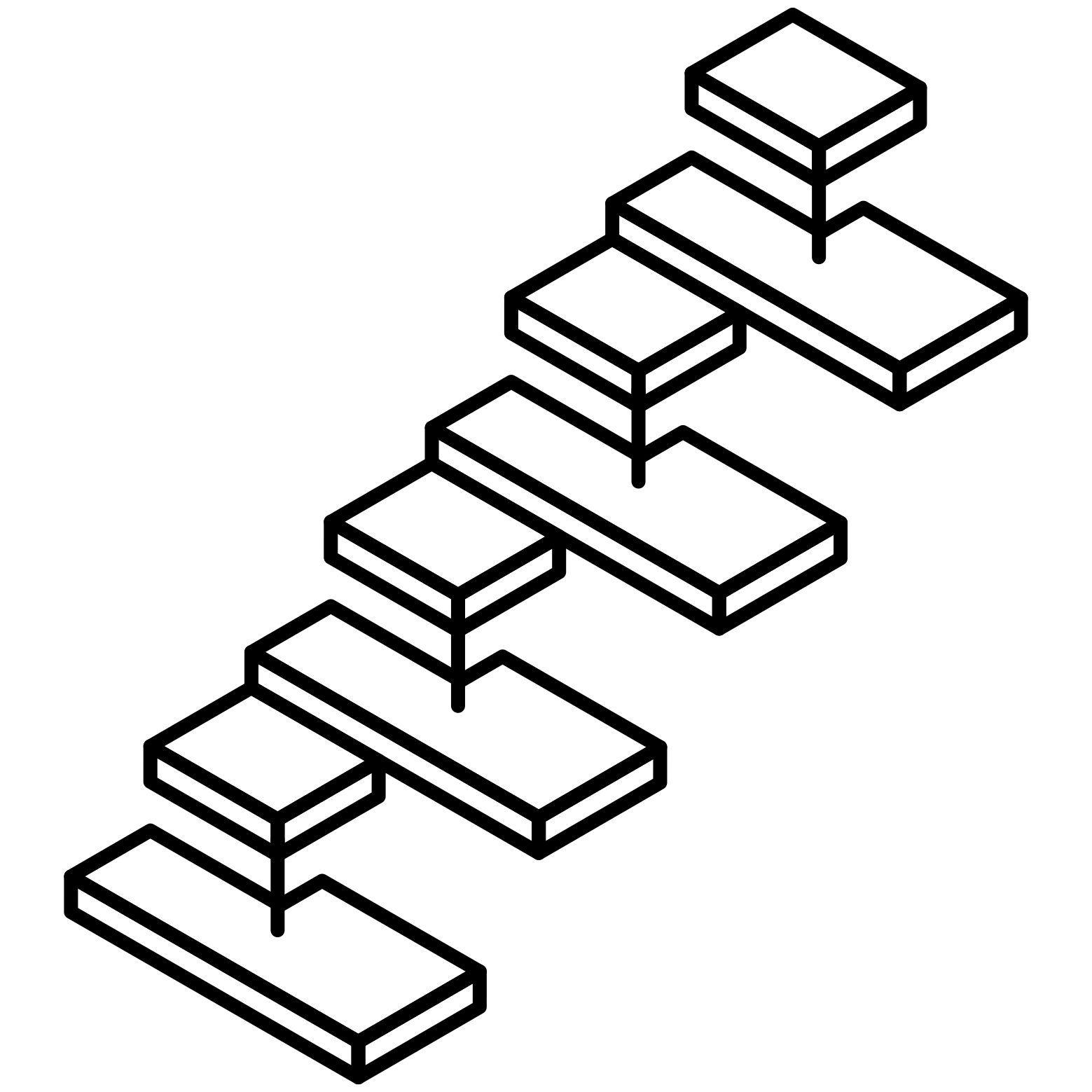
These examples show fit, tight-fit and no-fit outcomes. Your check may need more measurements before a verdict is possible.
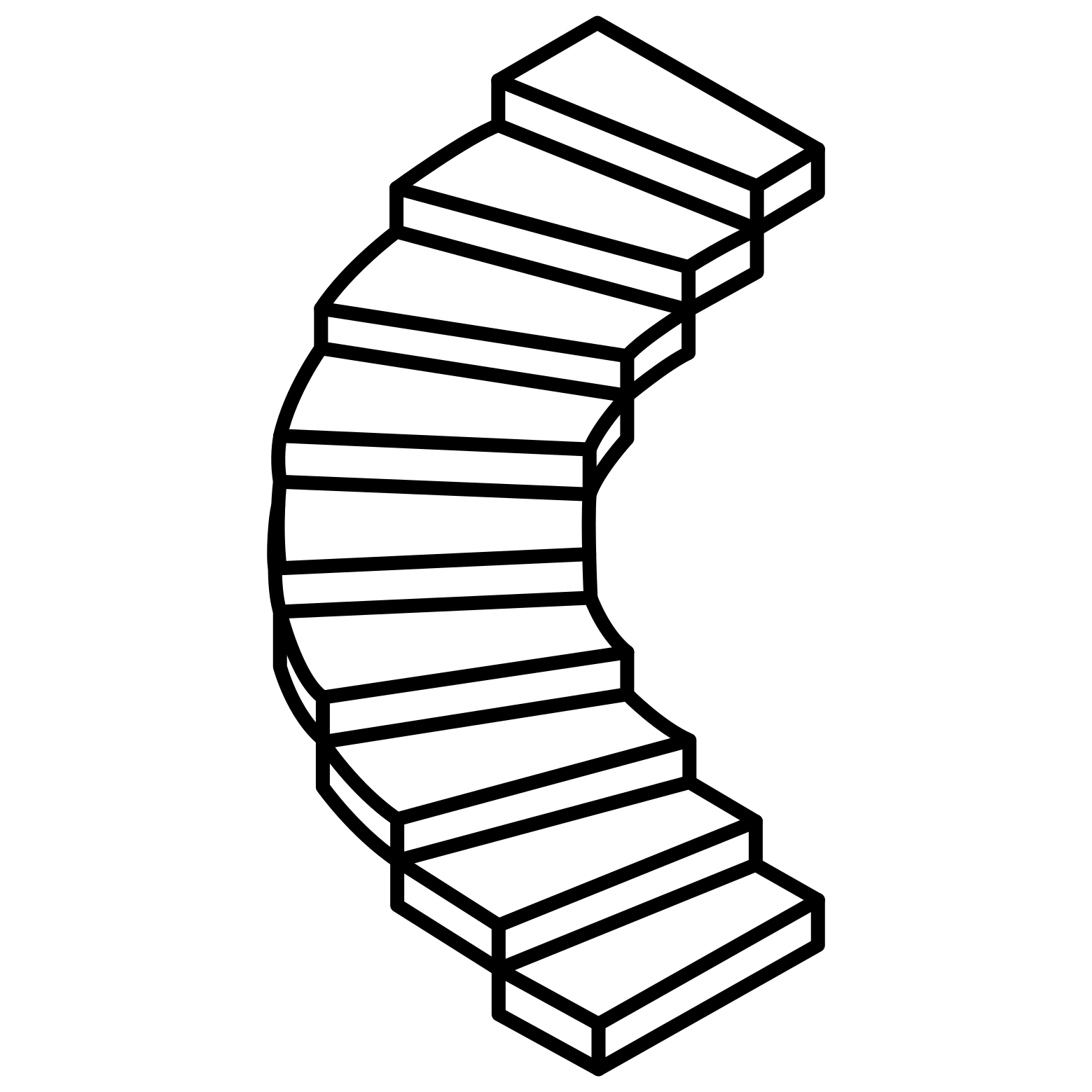
82×38×34 in. 40″ stair width with 8′ ceiling clearance accommodates tilt to clear the upper landing.
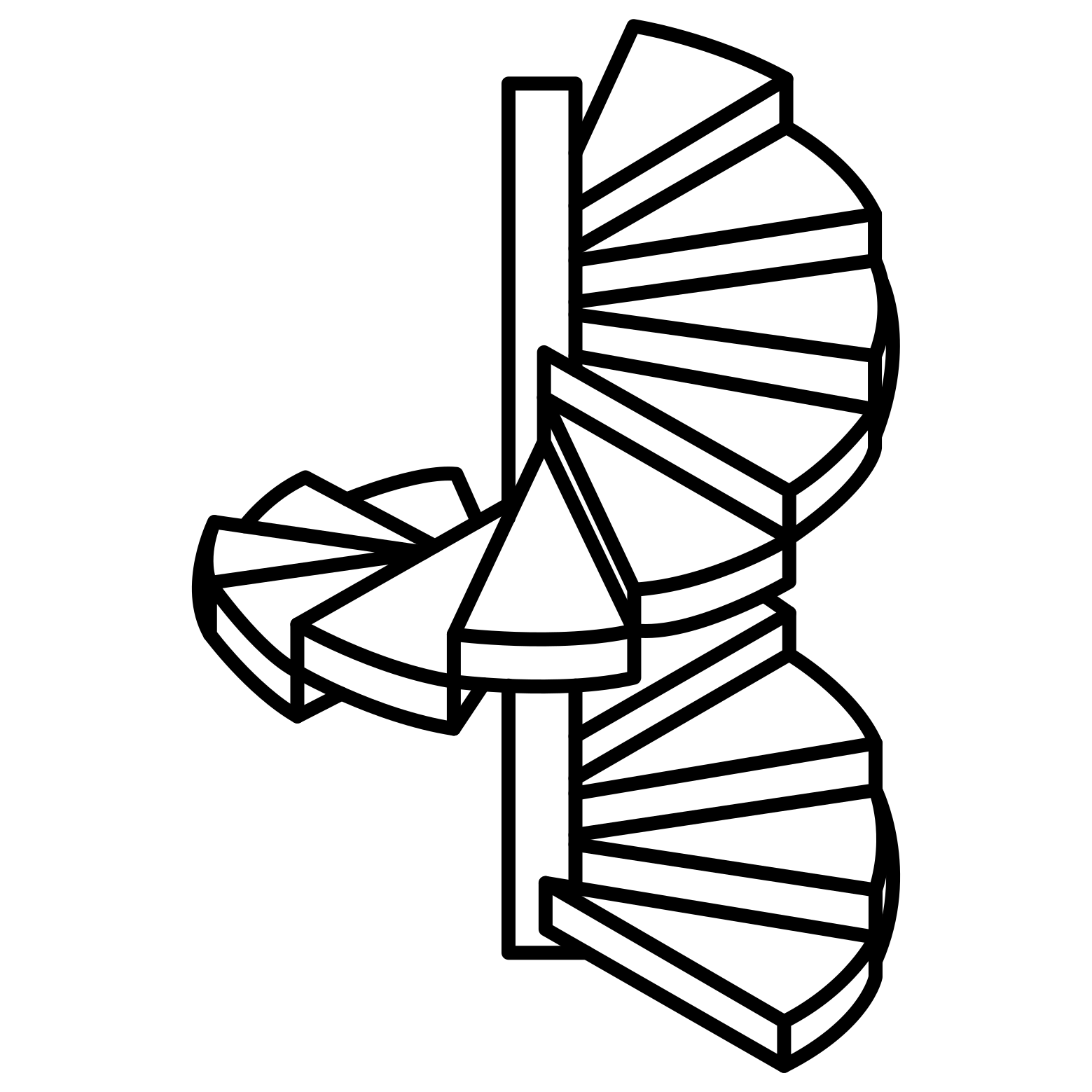
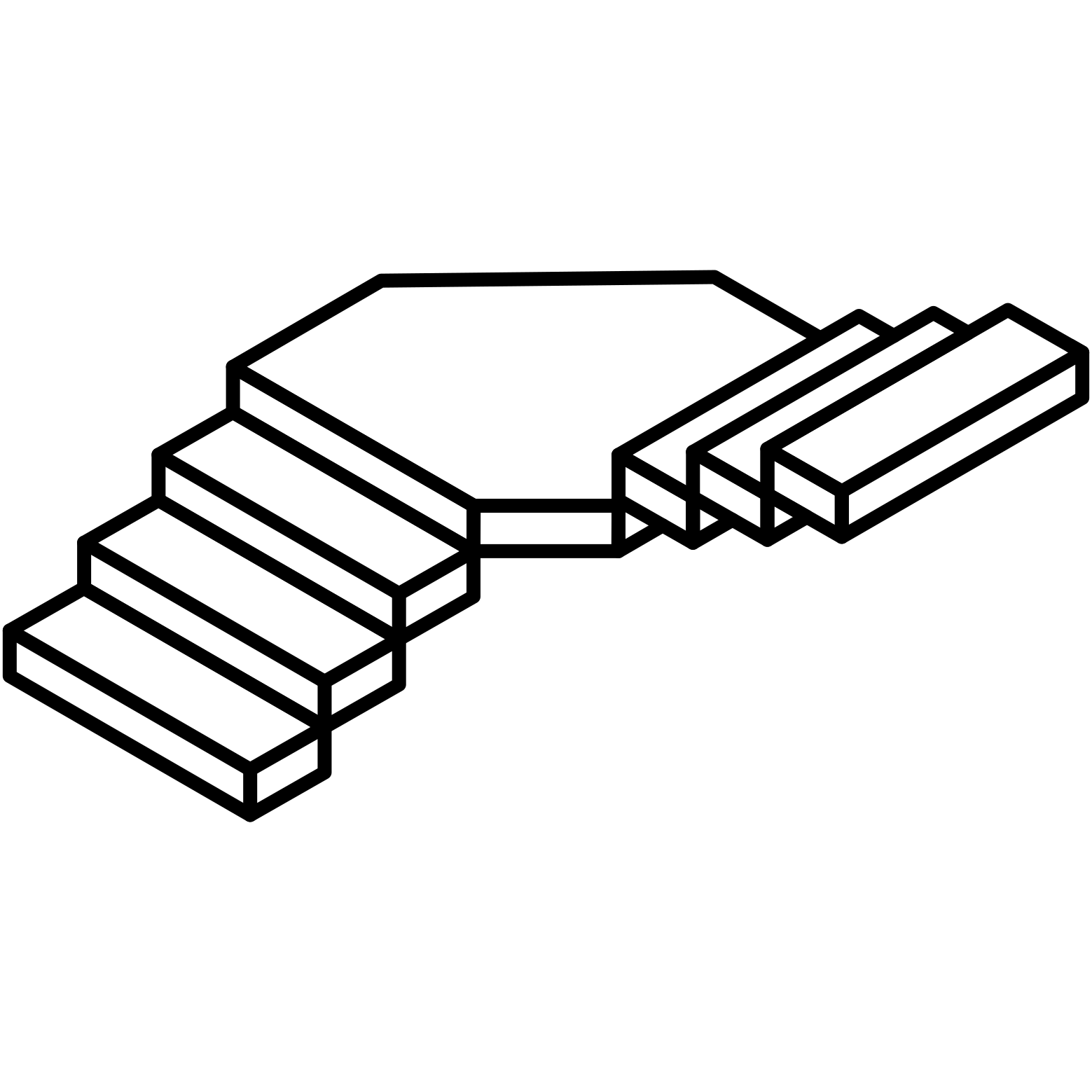
Folded to 48×34×62 in. Pivot point on the landing has 4″ of swing margin — remove the console mast and carry motor-end first.
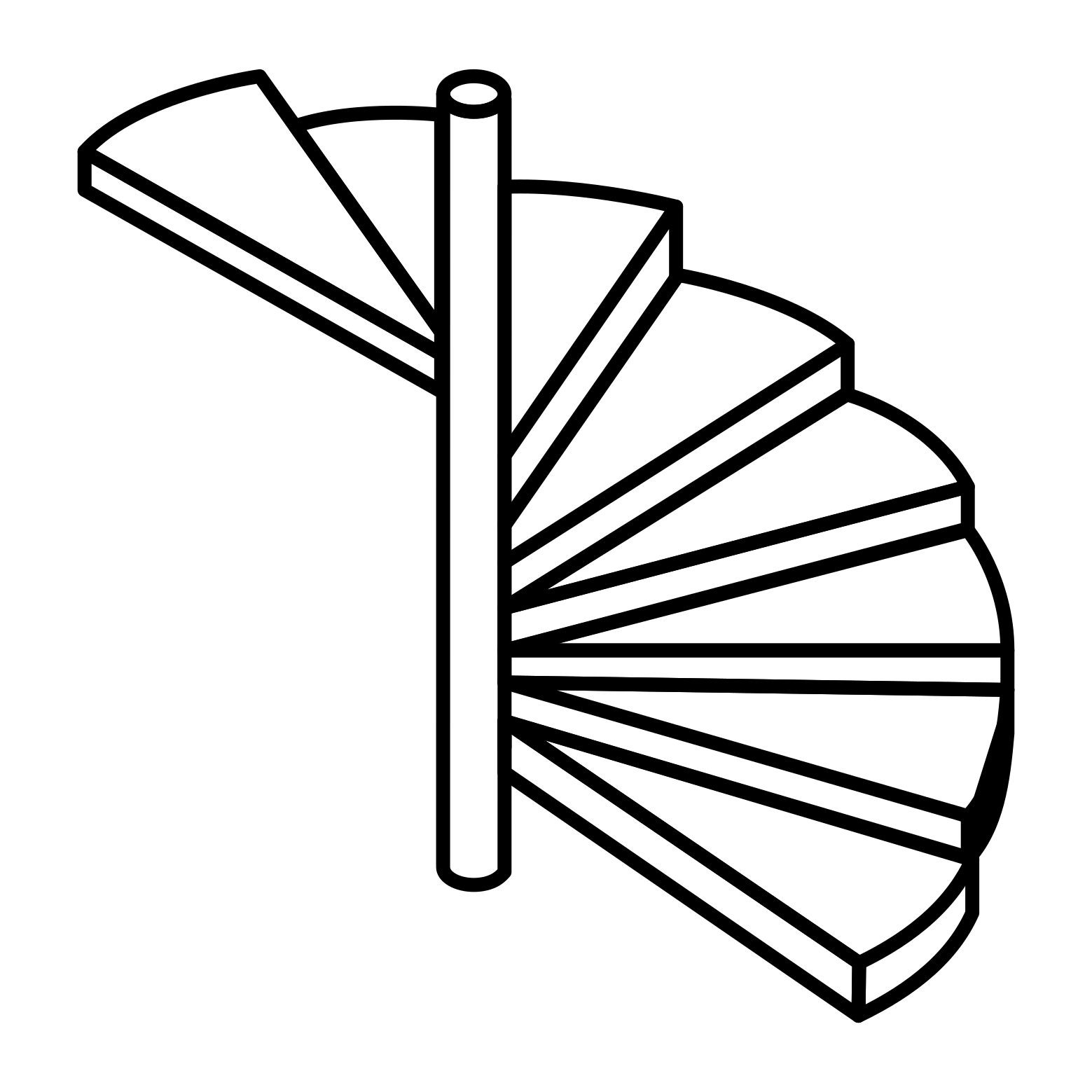
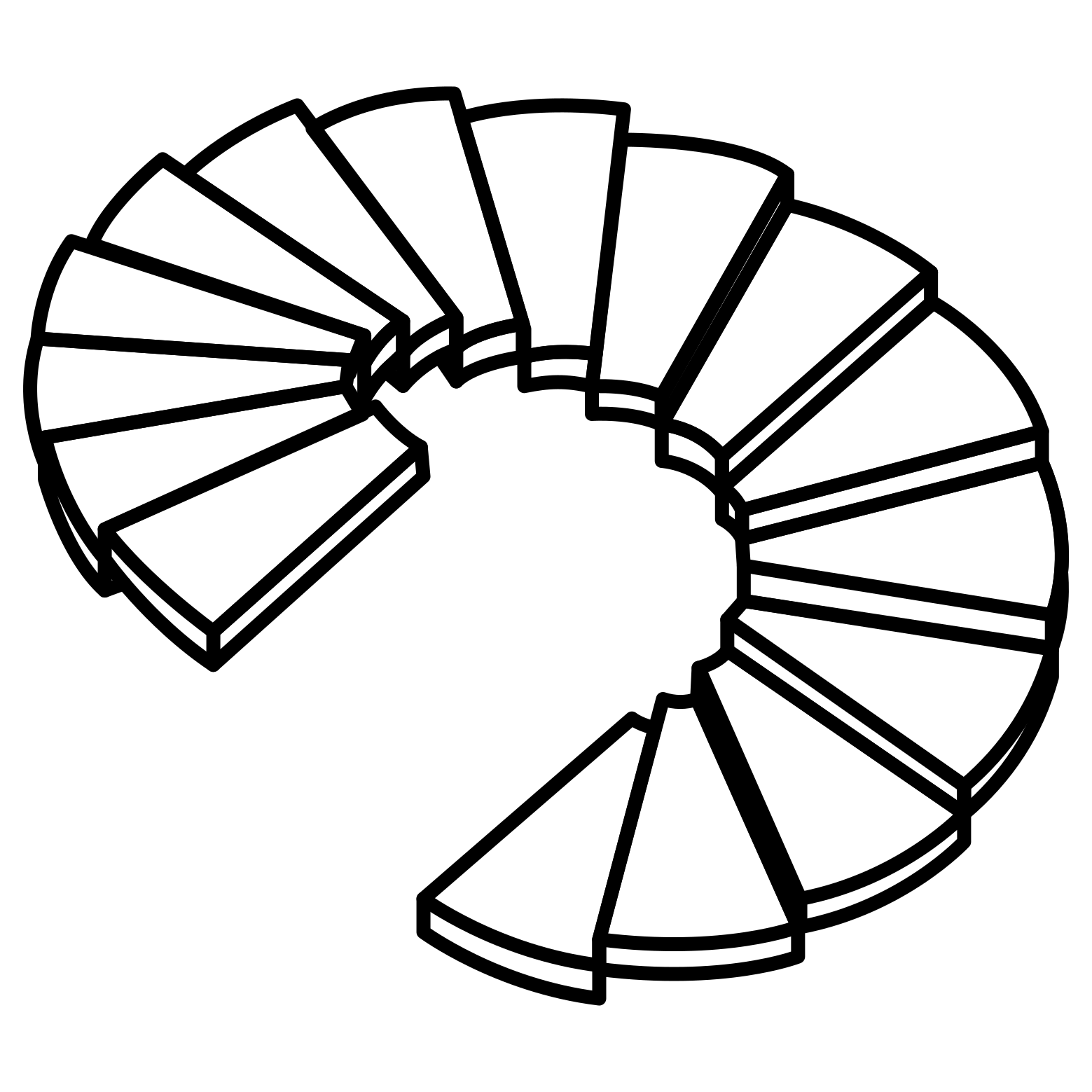
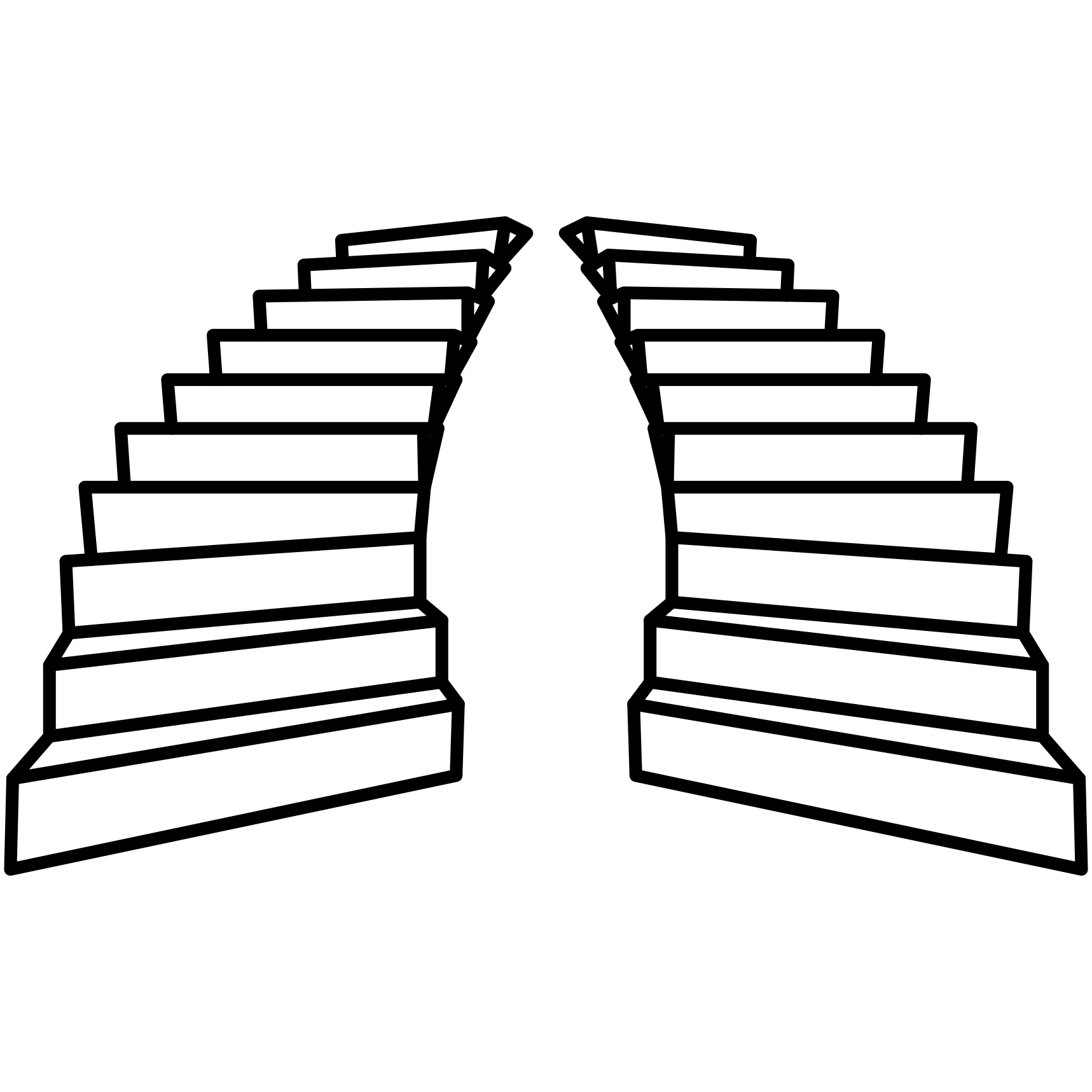
58×24×40 in. Spiral inner radius drops to 28″ at the center pole — the piano cannot pivot safely. Use professional movers or an alternate route.
Choose your item
Try it yourself
Check any item against any space — it's free.
Measure smart
Four numbers decide nearly every fit check. Get these right and the rest follows.
Don't make these
Most “it didn't fit” stories trace back to one of these oversights.
Frequently asked
Building codes require a minimum clear width of 36 inches, and most residential stairs are 36–42 inches wide. For the practical question “how wide do stairs need to be for furniture,” start with the item depth on its side, then subtract 3–4 inches if a railing is present.
01Often yes, but the landing is usually the deciding measurement. A standard couch may clear the stair width when carried on its end, but it still needs enough landing depth and ceiling height to pivot around the corner.
02Most mattresses fit when carried on edge because the thickness is only about 10–14 inches. Queen and king mattresses become difficult at low ceilings, U-turn landings, and tight basement stairs where the mattress cannot flex enough.
03Tilt the item upright and use the vertical space above the landing to clear the turn. Having one person above and one below helps control the angle as you pivot around the corner.
04A treadmill may fit if the deck folds and the console can be removed, but the weight usually requires three or more people or a stair-climbing dolly. Pianos are far more sensitive to weight, balance, and landing turns; use professional movers for upright or grand pianos.
05In most cases, yes — removing a railing gains 3–4 inches of usable width. Railings are typically attached with brackets or screws and can be reinstalled afterward.
06Going up is physically harder due to gravity and the lifting angle. Going down requires more control since the weight pulls forward. Both directions have the same clearance constraints.
07Yes — spiral stairs have a much tighter inner radius than outer radius. Always measure clearance at the narrowest point near the center pole, and expect significant width limitations.
08Or pick your stairs
Showing 22 of 22 stair types
References
Clearances and minimums in these checks trace back to established building codes and accessibility guidelines.
Keep exploring
Unlock stair simulation, AR visualization, and more.
Enter your item and staircase — get an instant verdict on tilt, turn, and clearance.
Open the fit calculator